Pet travel is common in private aviation, but a missing or incorrectly completed veterinary document can create a significant delay after arrival. Mexico's updated animal health requirement should therefore be incorporated into the mission review before the aircraft departs the United States.
What is changing?
Effective August 3, 2026, dogs traveling from the United States to Mexico must be accompanied by the NWS Inspection Certificate for Pet Dogs Moving (Exporting) from the United States to Mexico, identified in Spanish as the Certificado de Inspección GBG para el Traslado (Exportación) de Perros Mascota de los Estados Unidos a México.
The certificate must be signed by a USDA accredited veterinarian and cannot exceed five days from its date of issue when the dog enters Mexico.
The five day window means a pet document is now directly connected to the operational schedule.
What must the veterinarian certify?
The new certificate focuses on New World Screwworm, NWS, referred to as gusano barrenador del ganado, GBG, in the Mexican documentation.
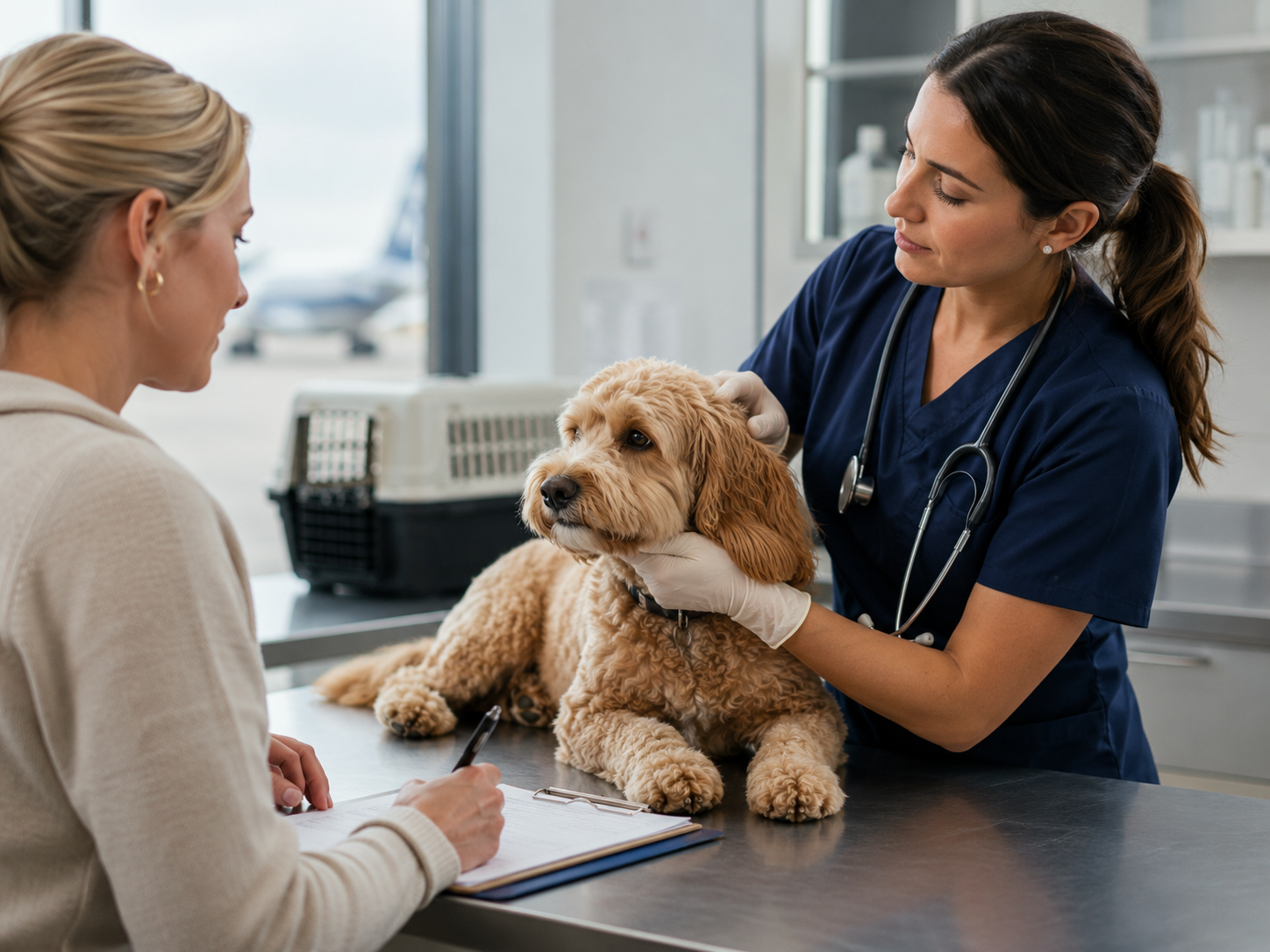
The inspection covers the animal's skin, including interdigital areas and folds, the ear canal and mucous membranes. The veterinarian certifies that the dog was inspected and found free of NWS or, where applicable, that an affected animal was isolated and treated until free of NWS and all wounds were fully healed.
The form requests the USDA accredited veterinarian's full name, accreditation number and a handwritten signature rather than a digital signature.
What happens when the aircraft arrives in Mexico?
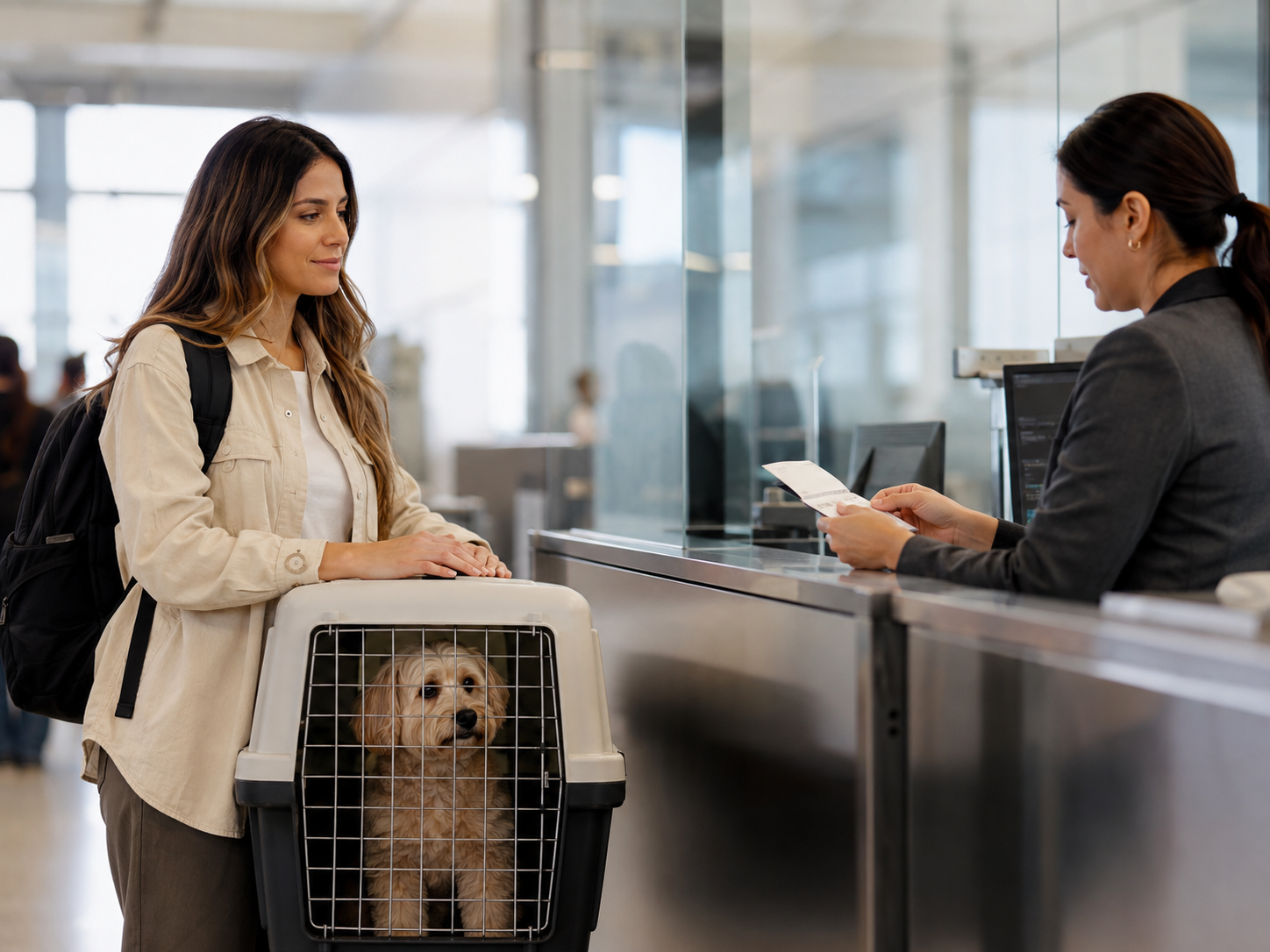
The dog should arrive in a clean carrier and be presented to the applicable OISA, the Oficina de Inspección de Sanidad Agropecuaria. SENASICA personnel or authorized personnel will conduct the corresponding inspection.
For business aviation missions, this inspection should be considered part of the arrival sequence when coordinating passenger movement, ground transportation and onward schedules.
Officials will verify the following:
- No signs of infectious or contagious disease
- The animal is free of ectoparasites
- No fresh wounds or wounds still healing
- The required NWS / GBG certificate is present and valid
Ectoparasites can materially affect the arrival
If ectoparasites are detected, the traveler must contact a veterinarian so an effective treatment can be applied. If a tick is detected, SENASICA personnel may take a sample for official laboratory diagnosis.
The animal may remain under OISA custody while authorities confirm that the specimen is not exotic to Mexico or subject to an official campaign. Costs generated by these measures are the responsibility of the importer.
Keep the carrier clean and simple
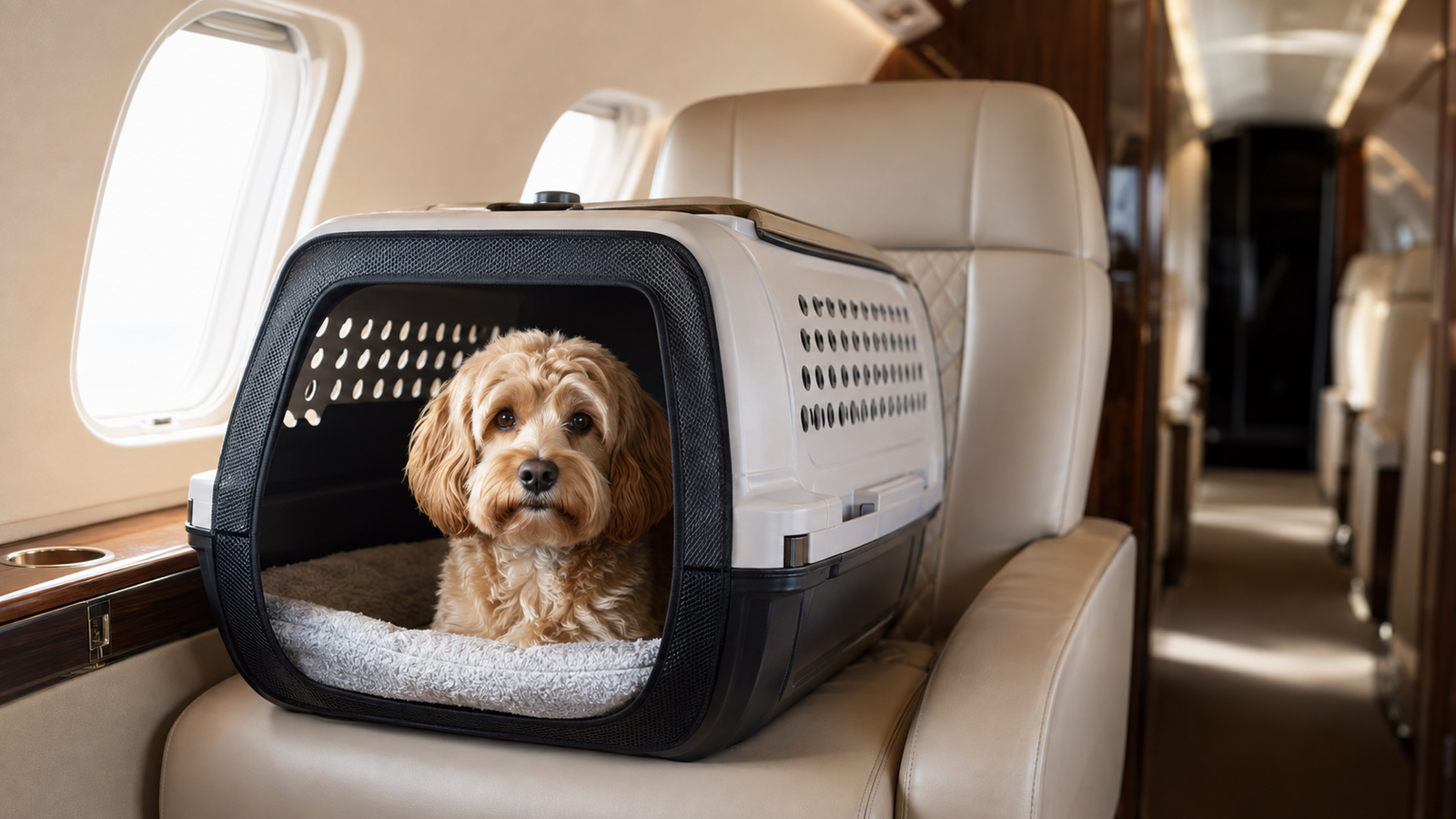
If the carrier is dirty or contains disposable bedding, toys or food, authorities may disinfect it and remove the materials inside for destruction.
The published requirement permits only the quantity of balanced pet food considered necessary for the day of arrival. A clean, organized carrier should therefore be part of the operator's passenger briefing.
What operators should verify before departure
- Confirm the requirement applies to the dog and routing
- Schedule the inspection within the five day validity window
- Confirm the veterinarian is USDA accredited
- Review the completed certificate before departure
- Confirm the required handwritten veterinarian signature
- Ensure the pet carrier is clean
- Plan for the OISA inspection on arrival
- Revalidate the certificate if the itinerary changes
Read and download the official documents
For operational planning, operators and passengers can review the source documents directly. The previews below show the first page of each official PDF in a cleaner document view for easier reading.

Requisitos Zoosanitarios para Importación
Official Mexican animal health entry requirements for dogs originating and proceeding from the United States.

NWS / GBG Inspection Certificate
The veterinary inspection certificate to be completed for applicable pet dogs traveling from the United States to Mexico.
Why this matters for business aviation
A delayed departure, extended technical stop or revised arrival date can affect whether a five day certificate remains valid. Pet documentation should therefore be reviewed with the same discipline as permits, customs coordination and airport operating restrictions.
The objective is simple: identify the issue before engine start, not after the passenger and pet reach the inspection point in Mexico.
Flying to Mexico with a pet onboard?
Canon Air can incorporate pet entry requirements into the mission review while coordinating permits, handling, CIQ and the wider operational requirements for your arrival into Mexico.
Request Trip Support →